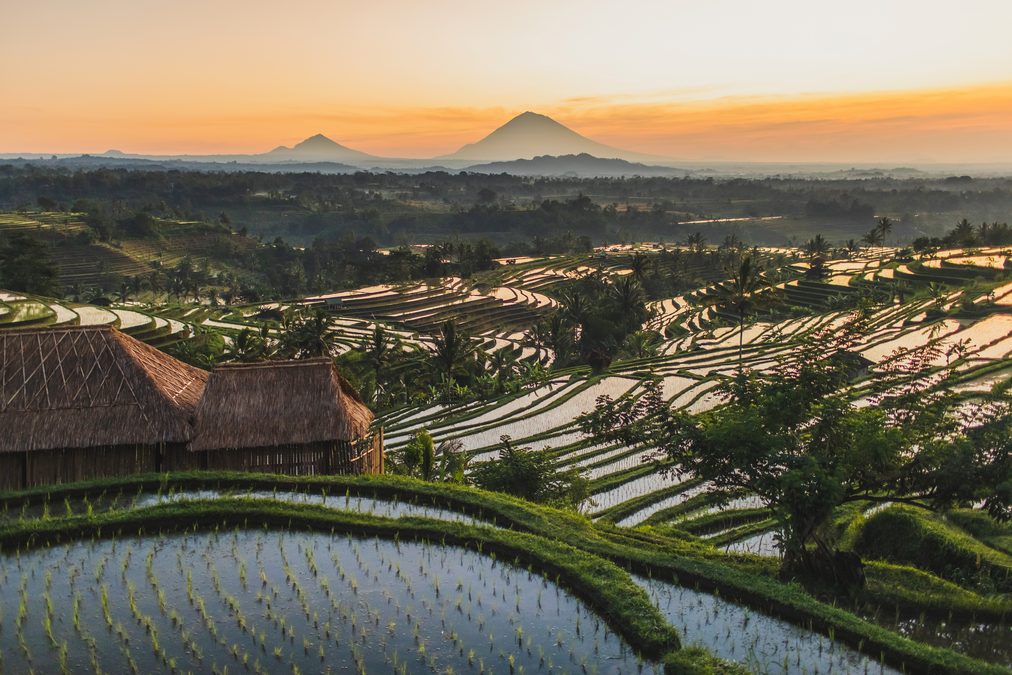
Six Hours by Plane, a Different World
From Sydney to Bali is six hours by plane — shorter than a domestic flight to Darwin. And thanks to AirAsia, Jetstar, and Scoot, flights often cost less than AUD 200. No wonder Bali feels as natural to Australians as Mallorca does to Germans: close, cheap, and breathtakingly beautiful.
According to the Indonesian statistics agency BPS, around 1.23 million Australians traveled to Bali in 2019 — the largest international visitor group of all, ahead of Chinese and Indian tourists. No other country has as intense a tourism bond with a single foreign island as Australia has with Bali.
The History of a Long Travel Friendship
Australian surfers discovered Bali in the early 1970s. Kuta and Uluwatu — today hotel-packed tourist hubs — were then deserted beaches with perfect waves and barely a Western face in sight. The pioneers arrived with surfboards on their backs and little money in their pockets, lived cheaply in simple losmen guesthouses, and reported back home about a paradise.
The boom came in the 1980s and 90s. With the democratisation of air travel and the development of tourist infrastructure, the insider tip became a mass market. Today Kuta is a place many Australians avoid as too crowded, while Canggu, Seminyak, and Ubud have become the new favourite addresses.
The 2002 Bali bombings, in which 202 people died — including 88 Australians — shook the connection deeply. It was the worst terrorist tragedy in Australian history. And yet: after a brief decline, Australian tourists returned. The emotional bond was stronger than the fear.
What Australians Look for in Bali
Surfing is the foundation. Bali's waves — especially on the Bukit Peninsula at Uluwatu, Padang Padang, and Bingin — are considered some of the best in the world for experienced surfers. For surf-obsessed Australian society, Bali is a sacred place you have to visit at least once in your life, and then again and again.
Yoga and wellness have established themselves as a second pillar. Ubud, the cultural heart of the island, has been a global symbol of spiritual travel since Elizabeth Gilbert's Eat Pray Love. Australian women of all ages come for retreats, meditation courses, and Ayurveda treatments.
And then there is the food. Bali offers one of the most remarkable culinary scenes in Asia — from traditional Balinese cooking to vegan cafés in Canggu to beachside restaurants with fresh fish. All at prices that astonish Australian visitors: a dinner for two often costs less than a coffee in Sydney.
Economic Significance
Australian tourists spend less per capita than Chinese or Japanese visitors, but they come more often and stay longer. According to the Indonesian Ministry of Tourism, the average length of stay for Australian visitors to Bali is 9.2 nights — well above the international average of 5.4 nights.
Australian investment has helped shape Bali's tourist scene. Australian-owned cafés, surf schools, yoga studios, and guesthouses are part of the island's economic ecosystem. These entrepreneurs bring capital, ideas, and international connections that have helped Bali develop its premium offering.
Problems, Protests, and the Future
Not everything is harmonious. Australian tourists regularly attract negative headlines: drug offences in a country with extremely strict drug laws, disrespectful behaviour at temples, loud parties in residential neighbourhoods. The Balinese government introduced a tourist code of conduct in 2024 and levied a tourism fee of 150,000 rupiah.
Nevertheless, the connection will not break. Australia and Bali are too deeply intertwined — culturally, economically, and emotionally. What will change: more Australians will avoid the overcrowded areas and retreat to quieter corners of the island. Bali is large enough for everyone, if you look for it.
The New Bali Generation: Canggu, Coworking, and Conscious Living
The Bali of today is no longer the Bali of the 1970s surfers. In Canggu — once a quiet rice-growing area west of Seminyak — a new world has emerged. Streets lined with cafés serving matcha lattes, açai bowls, and avocado toast. Coworking spaces with high-speed Wi-Fi. Yoga studios and vegan restaurants side by side with small Hindu-Balinese temples.
Australian Millennials and Gen Z are the driving force of this transformation. They no longer come just for two weeks of holiday but for one, two, or three months. Remote work makes it possible. The time zone difference between Bali and Australia is only one to three hours depending on the region, which makes meetings with Australian clients entirely manageable.
The social media image of Bali is largely shaped by Australians. Instagram accounts with millions of followers showcase the Bali lifestyle: sunrise yoga in the rice fields, smoothie bowls by the pool, sunset at Uluwatu Temple. These images in turn attract new generations of Australian travelers.
For Bali, this is both an opportunity and a risk. The spending of these younger guests is distributed differently from that of the classic tourist group. Less money in luxury hotels, more in small local businesses. This democratises tourism, but also creates new conflicts over space, noise, and resources.
Safety and Health: What Australians Need to Know in Bali
Bali is a paradise, but like every paradise it has its hazards. Australians sometimes learn this the hard way. Road traffic is the biggest risk: motorbikes, the effective absence of helmet enforcement for tourists, poor road markings, and wet roads in the rainy season make a dangerous combination. Scooter accidents are common among Australian visitors to Bali.
Healthcare: Bali's hospitals vary widely in quality. There are good international clinics in Kuta and Seminyak. Those who fall ill away from tourist centres may face a long journey to receive care. Good travel insurance with a medical evacuation option is essential.
Bali Belly — the local form of traveler's diarrhea — affects most first-time visitors. Not every restaurant meets Western hygiene standards. Those who love Bali's street food should stick to freshly cooked hot dishes and approach raw food with caution.
All of this sounds alarming and is not. Australians who visit Bali regularly know these points and act accordingly. Caution is not paranoia — it is the price of maximum freedom in paradise.