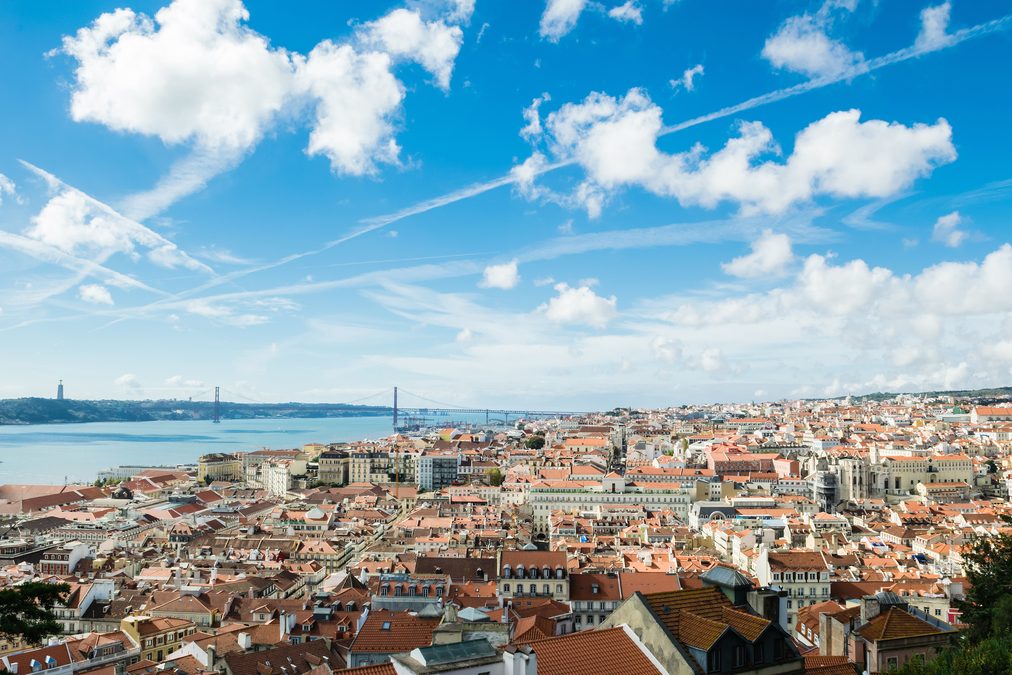
The Southwest Beckons
There is a moment that many Germans who have emigrated to Portugal describe: the first morning in their new home, coffee in hand on the terrace, the sun already warm on their skin at eight o'clock, thinking: why did I not do this sooner? Portugal has an ability to disarm people that few other countries share. It is not loud, not frenzied, not hectic. It is simply there — warm, friendly, and affordable.
In the last ten years, Portugal has experienced a genuine emigration boom. Between 2015 and 2023, the number of registered German nationals in Portugal more than doubled. According to the Portuguese immigration and border service SEF, more than 30,000 Germans were living permanently in Portugal at the end of 2023, plus a hard-to-count number of digital workers and long-stay travelers.
What Makes Portugal So Appealing
The answer begins with the weather. The Algarve in the south records more than 300 sunny days per year, making it one of the sunniest regions in Europe. The Atlantic keeps temperatures pleasant: rarely below ten degrees in winter, rarely above 35 in summer. For Germans who dislike extreme temperatures, this is almost ideal.
Then there is the price level. Although Lisbon and Porto have become significantly more expensive in recent years, rural regions and smaller coastal towns remain affordable. Those willing to live 30 minutes from the beach will find rents that are a third or less of what they would pay in Munich or Hamburg. Food, restaurants, and services are cheaper even in Lisbon than in mid-sized German cities.
And the people. The Portuguese have a warmth and calm that is palpable in everyday life. The concept of saudade — that peculiarly Portuguese longing for what has passed — has infused the country with a reflectiveness and warmth that immediately draws in outsiders.
The NHR Status: A Tax Revolution and Its End
A major driver of German immigration was the NHR regime (Non-Habitual Resident), which Portugal introduced in 2009. It allowed new arrivals from abroad to enjoy significant tax advantages for ten years, including a flat rate of 20 percent on Portuguese income and, under certain conditions, full tax exemption on foreign pensions and investment income.
For German retirees and freelancers, this was a revolution. Someone taxed at 50 percent in Germany might pay nothing on their pension in Portugal under NHR. It is no surprise that the Algarve coast was flooded with German retirees.
At the end of 2023, the Portuguese government announced the end of the NHR. A successor model, the IFICI status (formerly known as NHR 2.0), was introduced in 2024 and is more specifically targeted at researchers, investors, and certain professional groups. The broad tax attractiveness for ordinary retirees has been significantly reduced. Nevertheless, Portugal without NHR is still more attractive than many alternatives.
Where Do Germans Settle?
The Algarve remains the most popular destination: Faro, Lagos, Tavira, Albufeira. Those seeking a quieter, more authentic experience settle in smaller towns like Silves or Monchique. The Silver Coast north of Lisbon — Costa de Prata, with towns like Caldas da Rainha or Nazaré — is also growing as an emigration destination.
Lisbon itself has become too expensive for many. The capital has transformed over the last decade into a trendy European metropolis, with property prices to match. Porto still offers a better price-to-culture ratio. And then there are the Azores and Madeira for those seeking island life.
Practicalities: What Emigrants Need to Know
EU citizens have the right to live and work in Portugal without restriction. You need to register at your local council and apply for a NIF number (tax identification number) — both are straightforward. Anyone who lives in Portugal for more than 183 days per year becomes tax-resident there.
The healthcare system is publicly funded and free to access, though often with long waiting times. Private health insurance costs Germans aged 50 and over approximately €150 to €300 per month and covers private access. Bureaucracy exists in Portugal too — the clocks just tick a little slower than in Germany. Paciência is the magic word: patience. A little of it is required, but the reward is a life that justifies itself every morning on the terrace.
Daily Life in Portugal: What Comes After the First Morning
The first morning on the terrace with coffee is unforgettable. The third visit to the registry office to sort out a minor formality is memorable in a different way. Portugal has a bureaucracy that is friendly but slow. Queues at the SEF immigration office, forms in Portuguese, appointments that take weeks: this is the other side of the dream life.
Those who know this and prepare for it manage well. Those who do not are often frustrated after the first six months. Most German emigrants recommend: learn Portuguese — at least the basics. The willingness to try the language opens doors and hearts in a way that no amount of money can buy.
Social life takes time. The Portuguese are warm, but not immediately open. Friendships develop slowly, through repeated encounters in the café, through shared neighbourhood activities, through patience. Those who live in a large German expat community and never speak Portuguese will never truly get to know Portugal.
Those who stay often describe the same moment: the day Portugal stopped being a travel destination and became home. That moment does not come immediately. But it comes.
Learning and Arriving: Portuguese as the Key
Those who move to Portugal without knowing Portuguese live in a golden aquarium: beautiful to look at, but isolated. The country only truly opens up when you try the language. The Portuguese are not stern teachers who correct every mistake — they are enthusiastic listeners who immediately take a foreigner who speaks their language to heart.
Portuguese is not easy for German speakers to learn, but it is not out of reach either. The grammar is more complex than Spanish, the pronunciation idiosyncratic. But with six months of serious study you can get through everyday life. Apps like Duolingo or Babbel can ease the start. Language schools in Porto and Lisbon offer intensive courses.
A particularly effective approach: combine language school with real life. Those who live in a Portuguese neighbourhood rather than an expat enclave learn the language faster than any course can teach. At the bakery, at the fish market, at the neighbourhood festival.
Portugal is a country that rewards effort. Those who make the effort are welcomed. And those who are welcomed tend to stay.