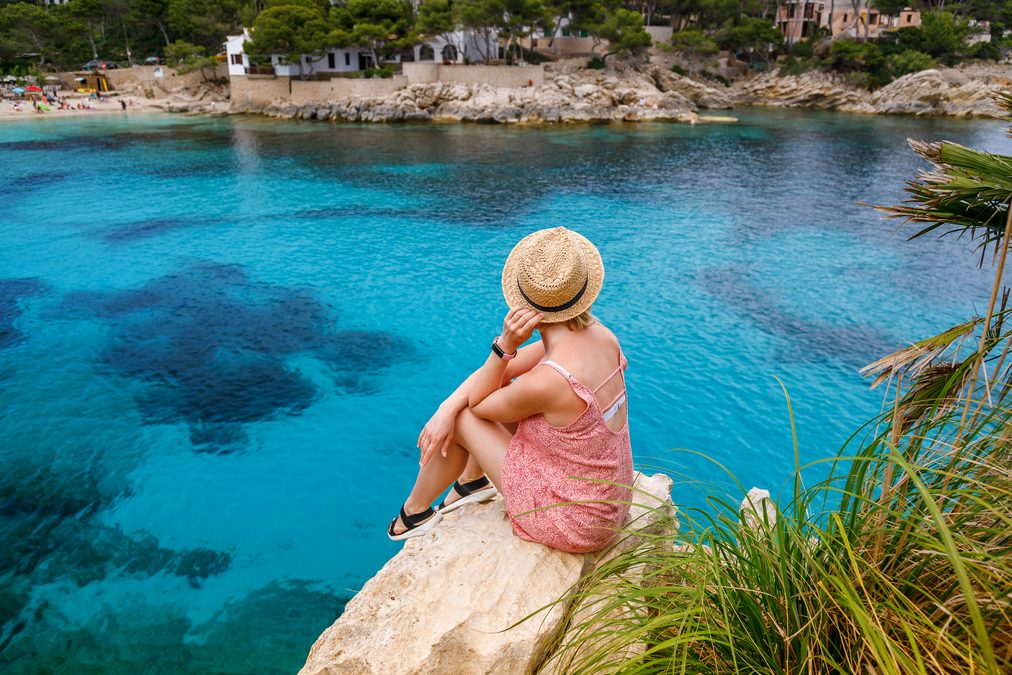
The Island That Germany Can't Let Go Of
For many Germans, Mallorca is not simply a holiday destination. It is a place of longing, an emotional anchor, somewhere people return to again and again — sometimes for decades. No other holiday destination has embedded itself so deeply into the collective memory of German travel culture as this 3,640-square-kilometer island in the Mediterranean.
In 2019, around 4.5 million Germans traveled to Mallorca according to the Balearic statistics institute IBESTAT. That is more than half of all German package holidaymakers in Spain, and Germany accounts for over 30 percent of all visitors to Mallorca. No other country dominates a single island as thoroughly as Germany dominates Mallorca.
Why Mallorca? The Honest Answer
The answer is multidimensional. On the surface, it comes down to obvious factors: reliable weather with an average of 300 sunny days per year, a maximum flight time of three hours even from the northernmost German airports, a well-established tourist infrastructure, and prices that remained moderate compared to other Mediterranean destinations for a long time.
But beneath that lies something deeper. For many Germans, Mallorca is not a foreign world — it is a familiar one. German-language newspapers at newsstands, butcher shops with Bavarian-style sausages, restaurants with German menus and regulars' tables. For first-time visitors, that means safety. For returning guests, it feels like home.
And then there is the property factor. According to industry experts, between 40,000 and 80,000 properties on Mallorca are owned by Germans. For these people, Mallorca is no longer a travel destination — it is their second home.
The New Mallorca: The Transformation of an Image
Anyone who only knows Mallorca by reputation thinks of the Ballermann — the notorious party strip along the Playa de Palma that shaped the island's image for decades and cast German holidaymakers in an unflattering international light. But that image has long since been overtaken by reality.
According to a 2022 survey by the German Tourism Analysis, 68 percent of German holidaymakers in Mallorca cited nature and scenery as their main motivation for visiting. Only 12 percent mentioned nightlife. The island has evolved, and so have its visitors.
Palma de Mallorca is now considered one of the most stylish cities in the Mediterranean. The Santa Catalina neighborhood has developed into a hub for independent restaurants, wine bars, and designer shops. The Tramuntana mountain range, a UNESCO World Heritage Site since 2011, draws hikers, cyclists, and nature lovers from across Europe. Boutique hotels in restored manor houses — known as fincas — are often booked out months in advance.
What Mallorca Means to the German Economy
German tourists are the financial lifeblood of the island. According to Eurostat, German holidaymakers in Mallorca spent an average of around €980 per person per trip in 2019, with an average stay of 10 days. Extrapolated, this gives a German tourism contribution of nearly €4.4 billion in 2019 alone.
For individual municipalities, this dependency is even more extreme. In areas like Can Picafort, Port d'Alcúdia, or S'Arenal, 40 to 60 percent of all tourism revenue comes from the German-speaking market. A bad summer in Germany — whether caused by weather or economic conditions — is felt immediately on Mallorca.
Overtourism and the Limits of Love
So much affection has a downside. Mallorca is increasingly suffering from overtourism. Property prices in Palma have risen by more than 60 percent over the last decade, driven in part by the holiday property boom. Local residents can barely afford to live in their own city.
The Balearic government has responded: since 2016, the Ecotasa — a tourism tax of up to four euros per person per night — has funneled funds into environmental and infrastructure projects. Airbnb licenses have been frozen in many municipalities. Beaches now have capacity limits.
For German holidaymakers, this raises a quiet question: how much love can an island bear? Mallorca loves Germany, Germany loves Mallorca. But as with any long relationship, both sides must learn to respect limits.
Looking Ahead: The Journey Continues
Mallorca will remain Germany's favorite holiday destination — few people doubt that. But the quality of that travel relationship can evolve. More independent travel over package holidays, more hiking over party strips, more conscious tourism over mindless consumption. The island has the potential to embrace this shift. And German holidaymakers, who have long been more discerning than their reputation suggests, have the potential to follow.
Mallorca and the Digital Revolution: When the Home Office Sits by the Sea
The COVID-19 pandemic changed something millions of Germans had long wanted but could not manage: working from their holiday destination. As remote work became the norm, thousands of Germans packed their laptops and booked extended stays in Mallorca.
The island responded. Coworking spaces opened in Palma and Soller, fast fiber-optic networks were expanded, and hotels began offering workation packages with a desk, printer, and sea view. The model works: someone who spends three months working in Mallorca no longer pays tourist tax, but brings their full German income with them.
For the Mallorcan economy, this is a blessing: these guests stay longer, spend more evenly, engage more deeply with local life, and do not arrive only in peak summer. For residents of the island, the picture is more ambivalent: greater demand for housing pushes rents ever higher.
The new Mallorca is no longer a contradiction between package holiday and premium experience. It is a place that attracts many different kinds of people, all with one thing in common: they want to make the most of their time. And Mallorca, history shows, understands that very well.
Food in Mallorca: Between Paella and Pork Knuckle
Mallorca's food scene is a mirror of its visitors. In tourist centers, you can find everything a German palate could want: bratwurst, sauerkraut, draught beer, and Black Forest cake. In Palma and the small finca villages, however, an authentic Mallorcan cuisine flourishes that has long earned international recognition.
Pa amb oli — Mallorca's national dish — is beautifully simple: toasted bread rubbed with tomato, drizzled with olive oil, sprinkled with coarse salt, served with fresh fish or cured ham. Anyone who has eaten this once in a village bar in the Tramuntana mountains understands why Mallorca is more than its reputation.
The Binissalem wine region, around thirty kilometers from Palma, produces wines that win prizes at international fairs. The native Manto Negro and the white Moll grape yield drops that are almost impossible to find outside the island. A wine tasting at one of the family estates is essential for wine enthusiasts.
Mallorca leaves you wanting more. That is no accident.